
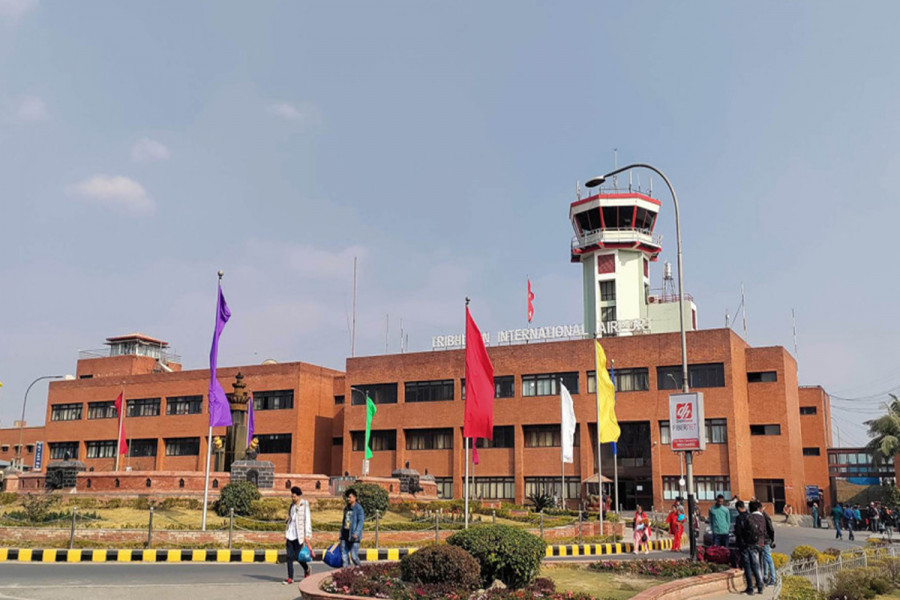
Nepal’s tourism industry, renowned for its majestic Himalayan landscapes and rich cultural heritage, relies heavily on efficient air transportation to connect visitors with the country’s diverse attractions. In this blog, we explore the pivotal role that airports play in facilitating tourism growth and driving economic development in Nepal.
Gateway to Adventure:
Airports serve as the primary entry points for tourists arriving in Nepal, providing convenient access to popular destinations such as Kathmandu, Pokhara, and Lukla. Whether travelers seek to embark on mountain treks, explore ancient temples, or experience vibrant cultural festivals, airports serve as the starting point for their journey, connecting them to the wonders of Nepal’s tourism offerings.
Accessibility to Remote Regions:
While Nepal’s rugged terrain presents logistical challenges, airports play a crucial role in enhancing accessibility to remote and off-the-beaten-path destinations. Domestic airports located in remote regions such as Lukla, Jomsom, and Simikot serve as lifelines for trekkers, mountaineers, and adventure enthusiasts, offering convenient access to some of the world’s most iconic trekking routes and wilderness areas.
Facilitating International Connectivity:
International airports such as Tribhuvan International Airport in Kathmandu serve as key hubs for connecting Nepal to the global tourism market. These airports facilitate direct flights from major cities around the world, enabling seamless travel for international visitors seeking to explore Nepal’s natural and cultural wonders. Enhanced international connectivity not only boosts tourist arrivals but also strengthens trade, investment, and diplomatic ties with partner countries.
Catalyzing Economic Development:
Airports are more than just transportation hubs; they are engines of economic development. The growth of Nepal’s tourism industry, fueled by efficient air connectivity, creates employment opportunities, stimulates business growth, and drives infrastructure development in surrounding areas. Airport expansion projects, such as runway upgrades and terminal enhancements, further bolster the country’s tourism infrastructure, attracting investment and supporting sustainable tourism growth.
Ensuring Safety and Comfort:
In addition to facilitating travel, airports prioritize passenger safety, security, and comfort. Modern airports in Nepal are equipped with state-of-the-art facilities, including advanced security systems, spacious terminals, and comfortable amenities, ensuring a pleasant travel experience for visitors. Additionally, airport authorities collaborate with aviation regulators to uphold safety standards and implement best practices, fostering confidence among travelers and stakeholders in Nepal’s aviation sector.
Airports serve as the lifelines of Nepal’s tourism industry, connecting visitors to the country’s breathtaking landscapes, cultural heritage, and adventure opportunities. As Nepal continues to position itself as a premier tourism destination, the role of airports in facilitating connectivity, enhancing accessibility, and driving economic development becomes increasingly crucial. By investing in airport infrastructure, promoting international connectivity, and prioritizing passenger satisfaction, Nepal can unlock the full potential of its tourism industry, creating lasting benefits for the country and its people.