
Introduction:
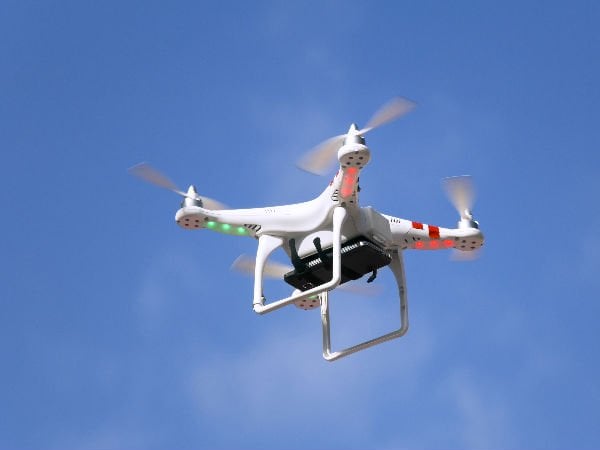
In recent years, the aviation industry has witnessed a remarkable transformation with the advent of drone technology. Drones, also known as Unmanned Aerial Vehicles (UAVs) or Unmanned Aircraft Systems (UAS), have rapidly emerged as versatile tools with applications ranging from military surveillance to commercial delivery services. In this blog post, we’ll explore the significant advancements and growing influence of drone technology in aviation.
Versatility and Applications:
Drone technology has unlocked a myriad of possibilities across various industries. In aviation, drones actively perform tasks such as aerial photography and videography, conduct search and rescue operations, inspect infrastructure, monitor agriculture, conserve the environment, and even transport passengers. Their ability to access remote or hazardous areas safely and efficiently has revolutionized traditional aviation practices.
Commercial Applications:
The commercial sector has witnessed a surge in drone usage, particularly in fields such as e-commerce, logistics, and delivery services. Companies like Amazon, UPS, and DHL are exploring drone delivery options to enhance the speed and efficiency of their operations. Additionally, drones are increasingly employed in industries like construction, real estate, and film production for surveying and mapping purposes, offering cost-effective solutions with precise results.
Safety and Regulation:
As drone technology proliferates, safety and regulatory concerns have become paramount. Aviation authorities worldwide are tasked with establishing guidelines and regulations to ensure the safe integration of drones into airspace shared with manned aircraft. This includes measures such as pilot certification, airspace restrictions, and compliance with operational standards. Additionally, advancements in drone technology, such as collision avoidance systems and geofencing capabilities, contribute to enhancing overall safety.
Future Trends and Innovations:
The future of drone technology in aviation holds immense potential for innovation and growth. Advances in AI, battery tech, and autonomous flight are boosting drone capabilities. They offer longer flight times, higher payloads, and better efficiency. Urban air mobility (UAM) aims to transform urban transport with drones and air taxis. This revolutionizes our understanding of transportation.
Conclusion:
The rise of drone technology in aviation marks a significant change in our aerial interactions, transforming commercial services and enabling lifesaving missions. Originally developed for military use, drones have become indispensable tools across various industries. With ongoing technological advancements and regulatory adaptations, drones have the potential to revolutionize the future of aviation, offering safer, more efficient, and more accessible skies for all.