
Nepal’s aviation industry has long been a symbol of connection and progress in a country defined by its breathtaking landscapes and cultural richness. However, the sector’s journey hasn’t been without turbulence, often influenced by government policies that shape its trajectory. In this blog, we delve into the intricate relationship between governmental decisions and the aviation sector in Nepal, exploring both challenges and opportunities.
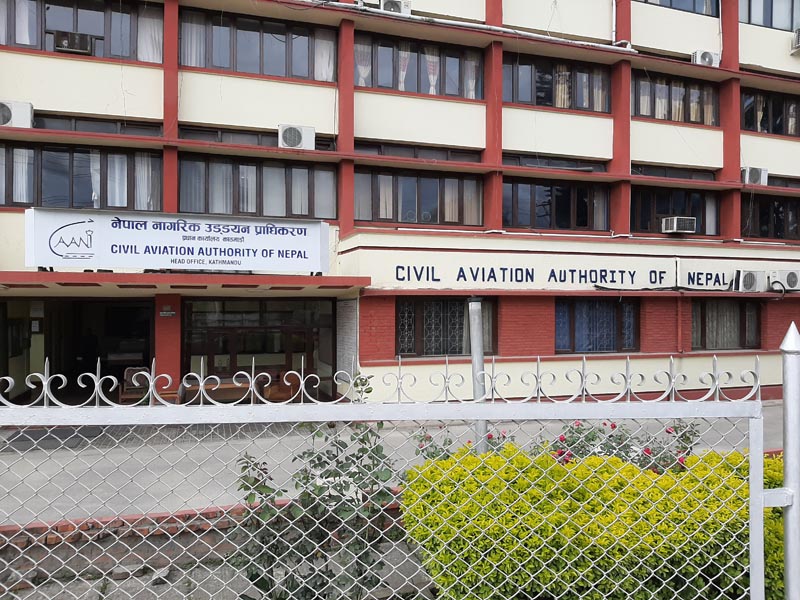
- Regulatory Framework: Nepal’s aviation industry operates within a regulatory framework set by the Civil Aviation Authority of Nepal (CAAN), tasked with ensuring safety, efficiency, and growth. Government policies play a pivotal role in shaping these regulations, impacting everything from flight operations to airport infrastructure development.
- Infrastructure Investment: Infrastructure investment is vital for Nepal’s aviation industry’s growth. Government policies regarding airport expansion and modernization directly impact the industry’s capacity to handle growing air traffic and adhere to international standards. Improving runway capacity, terminal facilities, and air traffic control systems are essential initiatives for the sector’s success.
- Air Service Agreements (ASAs): Bilateral and multilateral agreements govern air service between countries, regulating routes, frequencies, and capacity. Government policies regarding ASAs significantly impact Nepal’s connectivity with international destinations. Negotiating favorable agreements can open up new routes and increase tourist arrivals, boosting the aviation industry and the broader economy.
- Tourism Promotion: Nepal’s aviation industry shares a symbiotic relationship with its tourism sector. Government policies aimed at promoting tourism, such as visa regulations, marketing campaigns, and infrastructure development in tourist destinations, directly impact air travel demand. Collaboration between the government and aviation stakeholders is essential to capitalize on Nepal’s tourism potential.
- Safety and Security Measures: Ensuring the safety and security of passengers and aircraft is paramount in aviation. Government policies related to safety regulations, security protocols, and emergency response mechanisms significantly impact operational costs and procedures for airlines. Effective implementation of international safety standards enhances Nepal’s reputation as a safe destination for air travel.
- Environmental Sustainability: As global awareness of environmental issues grows, the aviation industry faces increasing pressure to reduce its carbon footprint. Government policies aimed at promoting sustainable practices, such as incentivizing fuel-efficient aircraft, implementing emissions trading schemes, and investing in alternative fuels, shape the industry’s approach to environmental stewardship.
Conclusion:
Government policies exert significant influence over Nepal’s aviation industry, shaping its trajectory and global competitiveness. The establishment of an enabling regulatory framework is essential to facilitate growth and innovation within the sector. Prioritizing infrastructure development, including airport expansion and modernization, is imperative to meet the increasing demands of air travel. Moreover, fostering international partnerships through favorable agreements and collaborations enhances connectivity and opens up new opportunities for the industry. Promoting sustainable practices, such as fuel efficiency and emissions reduction, is crucial for long-term environmental viability.