
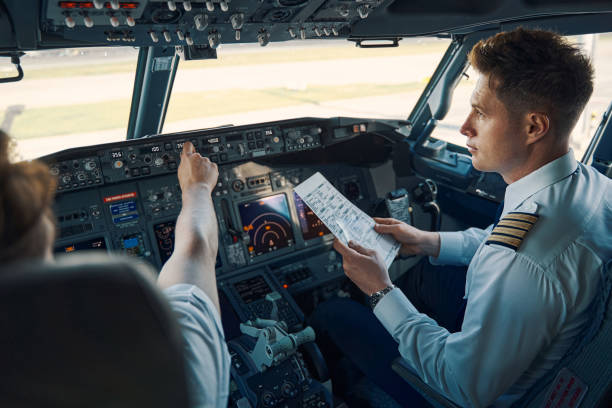
Roles of Pilots and Airhostesses play crucial roles in ensuring the safety and comfort of passengers aboard flights. While pilots are responsible for navigating the aircraft and ensuring a smooth journey from takeoff to touchdown, airhostesses cater to the needs of passengers, providing assistance and hospitality throughout the flight.
The Captain of the Skies: Pilots
Pilots, often referred to as the “captains of the skies,” safely navigate the aircraft from one destination to another. Behind the cockpit door lies a world of expertise, training, and unwavering focus, as pilots commandeer complex machines through the vast expanse of the skies.
The journey to becoming a pilot is rigorous, demanding countless hours of training, both in the classroom and in the cockpit. From mastering the principles of aerodynamics to honing their skills in simulated flight scenarios, aspiring pilots undergo a comprehensive education to prepare for the challenges of the air.
Once in the captain’s seat, pilots are tasked with a myriad of responsibilities. They meticulously plan flight routes, considering factors such as weather patterns, air traffic, and fuel efficiency. During flight, they must remain vigilant, monitoring instruments, communicating with air traffic control, and making split-second decisions to ensure the safety of passengers and crew.
But beyond their technical prowess, pilots possess another crucial skill: leadership. They lead their crew with confidence, instilling a sense of trust and camaraderie as they work together to overcome obstacles and navigate the skies. Their calm demeanor in the face of turbulence reassures passengers and underscores their unwavering commitment to safety.
The Heart of Hospitality: Flight Attendants
In the cabin, another essential team is hard at work, ensuring the comfort and well-being of passengers: the flight attendants. Often described as the “heart of hospitality,” flight attendants embody the spirit of service, catering to the needs of passengers with grace, professionalism, and a warm smile.
Flight attendants are the first point of contact for passengers, welcoming them aboard and assisting with seat assignments, baggage storage, and safety briefings. Throughout the flight, they anticipate and respond to passengers’ needs, whether it’s serving meals and beverages, providing blankets and pillows, or offering assistance to those with special requirements.
But their role extends far beyond hospitality. Flight attendants train rigorously in first aid, firefighting, and evacuation procedures, ensuring they are well-equipped to handle any situation that may arise during flight. They also undergo training in emergency procedures, standing ready to spring into action in the event of an unforeseen crisis.
Beyond their technical skills, flight attendants possess a unique ability to connect with passengers on a personal level. They offer a reassuring presence during moments of turbulence, lend a sympathetic ear to nervous flyers, and celebrate special occasions with those onboard. Their dedication to service transforms the cabin into a welcoming environment where passengers feel valued and cared for.
A Seamless Partnership
While pilots and flight attendants may occupy different realms within the aircraft, their roles inherently intertwine. Together, they form a seamless partnership, united by a common goal: to deliver a safe, comfortable, and memorable travel experience for all onboard.
From takeoff to touchdown, pilots and flight attendants work in harmony, each contributing their expertise and dedication to the success of the flight. As the aircraft soars through the skies, passengers can rest assured knowing they are in the capable hands of these aviation professionals, whose unwavering commitment to excellence ensures a smooth journey from beginning to end.
In conclusion, the roles of pilots and airhostesses are indispensable in creating a safe and comfortable travel experience for passengers. By working together seamlessly, they ensure that every aspect of the flight, from navigation to passenger care, is executed with precision and professionalism, guaranteeing a pleasant journey for all onboard.