
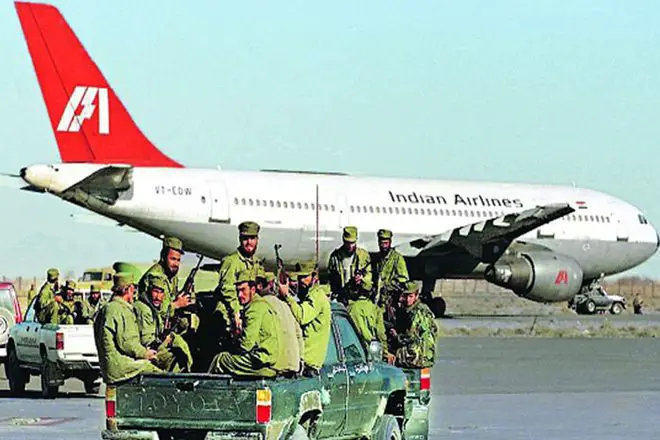
Terrorism casts a shadow of uncertainty over the aviation industry worldwide, and Nepal is no exception. Despite its renowned stunning landscapes and rich cultural heritage, Nepal faces challenges in ensuring air travel safety amidst the threat of terrorism. In this blog post, we’ll delve into the impact of terrorism on air travel in Nepal, exploring the measures taken to mitigate risks and restore confidence in the aviation sector.
Understanding the Threat:
Nepal’s strategic location between India and China makes it vulnerable to various security threats, including terrorism. Although the country hasn’t experienced large-scale terrorist attacks targeting its aviation sector, the presence of extremist groups in neighboring regions highlights the necessity for vigilance and preparedness.
Impact on Tourism:
Nepal’s tourism sector, a significant contributor to its economy, suffers from the adverse effects of terrorism on air travel. Perceived safety concerns deter international tourists, resulting in reduced demand for flights and tourism-related services. This downturn not only affects airlines and airports but also impacts local businesses and livelihoods dependent on tourism revenue.
Safety and Security Measures:
In response to the terrorism threat, Nepalese authorities have implemented stringent safety and security measures at airports and aviation facilities nationwide. These measures encompass enhanced passenger screening, increased surveillance, and collaboration with international partners to share intelligence and best practices.
Collaboration with International Partners:
Given the transnational nature of terrorism, cooperation with international partners is crucial for Nepal to effectively combat the threat. The country engages in regional and global initiatives aimed at bolstering aviation security, including workshops, training programs, and information sharing agreements.
Resilience and Adaptation:
Despite terrorism challenges, Nepal’s aviation industry demonstrates resilience and adaptation. Airlines and airport operators regularly review and update security protocols to address evolving threats while minimizing disruptions to operations.
Restoring Confidence:
Restoring confidence in air travel is vital for Nepal’s aviation sector to overcome the impact of terrorism. Proactive communication, transparency, and collaboration among stakeholders are essential to reassure passengers and instill trust in the safety and security of air travel.
Conclusion:
In conclusion, terrorism impact on air travel in Nepal necessitates concerted efforts to ensure industry viability and safety. By prioritizing security measures, fostering tourism safety initiatives, and investing in infrastructure, Nepal can mitigate terrorism’s adverse effects and maintain its reputation as a safe and appealing destination for travelers.