
Introduction:
Becoming an air hostess is an exciting and rewarding career choice, but it requires a unique set of skills to excel in this role. From providing excellent customer service to ensuring passenger safety, air hostesses play a vital role in creating a pleasant and comfortable flying experience for travelers. In this blog, we’ll explore the 10 essential skills that every aspiring air hostess should develop during their training.
Communication Skills:
Effective communication is at the heart of the air hostess role. Air hostesses must be able to communicate clearly and confidently with passengers, colleagues, and other airline staff. From welcoming passengers on board to delivering safety announcements, strong communication skills are essential for ensuring smooth and efficient operations.
Customer Service Excellence:
Providing exceptional customer service is a top priority for air hostesses. They must be friendly, approachable, and attentive to passengers’ needs throughout the flight. From assisting with luggage to serving meals and drinks, air hostesses must go above and beyond to ensure that passengers have a positive experience onboard.
Problem-Solving Abilities:
Air hostesses must be quick thinkers and effective problem solvers. They encounter various challenges during flights, such as resolving conflicts between passengers, handling medical emergencies, or addressing technical issues. Remaining calm under pressure and finding solutions quickly are essential for ensuring the safety and comfort of everyone onboard.
Teamwork Skills:
Collaboration is key in the fast-paced environment of aviation. Air hostesses must work closely with their fellow crew members, including pilots, co-hostesses, and ground staff, to ensure that all aspects of the flight run smoothly. Strong teamwork skills are essential for coordinating tasks, sharing information, and supporting each other throughout the journey.
Cultural Sensitivity:
As air travel brings together people from diverse backgrounds and cultures, air hostesses must demonstrate cultural sensitivity and respect for passengers’ customs and traditions. This includes being mindful of cultural differences in communication styles, dietary preferences, and social norms to ensure that all passengers feel welcome and valued onboard.
First Aid Training:
Safety is paramount in aviation, and air hostesses must be prepared to handle medical emergencies during the flight. That’s why first aid training is a crucial part of air hostess training programs. Air hostesses learn how to administer basic first aid, perform CPR, and respond effectively to common in-flight medical issues to ensure the well-being of passengers.
Emergency Procedures:
In addition to first aid training, air hostesses receive extensive training in emergency procedures, including evacuations, fire safety, and aircraft security protocols. They must be able to remain calm and composed in high-stress situations and follow standard operating procedures to ensure the safety of passengers and crew.
Time Management:
Air hostesses must manage their time effectively to complete all tasks during the flight. From boarding passengers on time to serving meals and conducting safety checks, good time management skills are essential for keeping the flight on schedule and ensuring a smooth travel experience for passengers.
Grooming and Presentation:
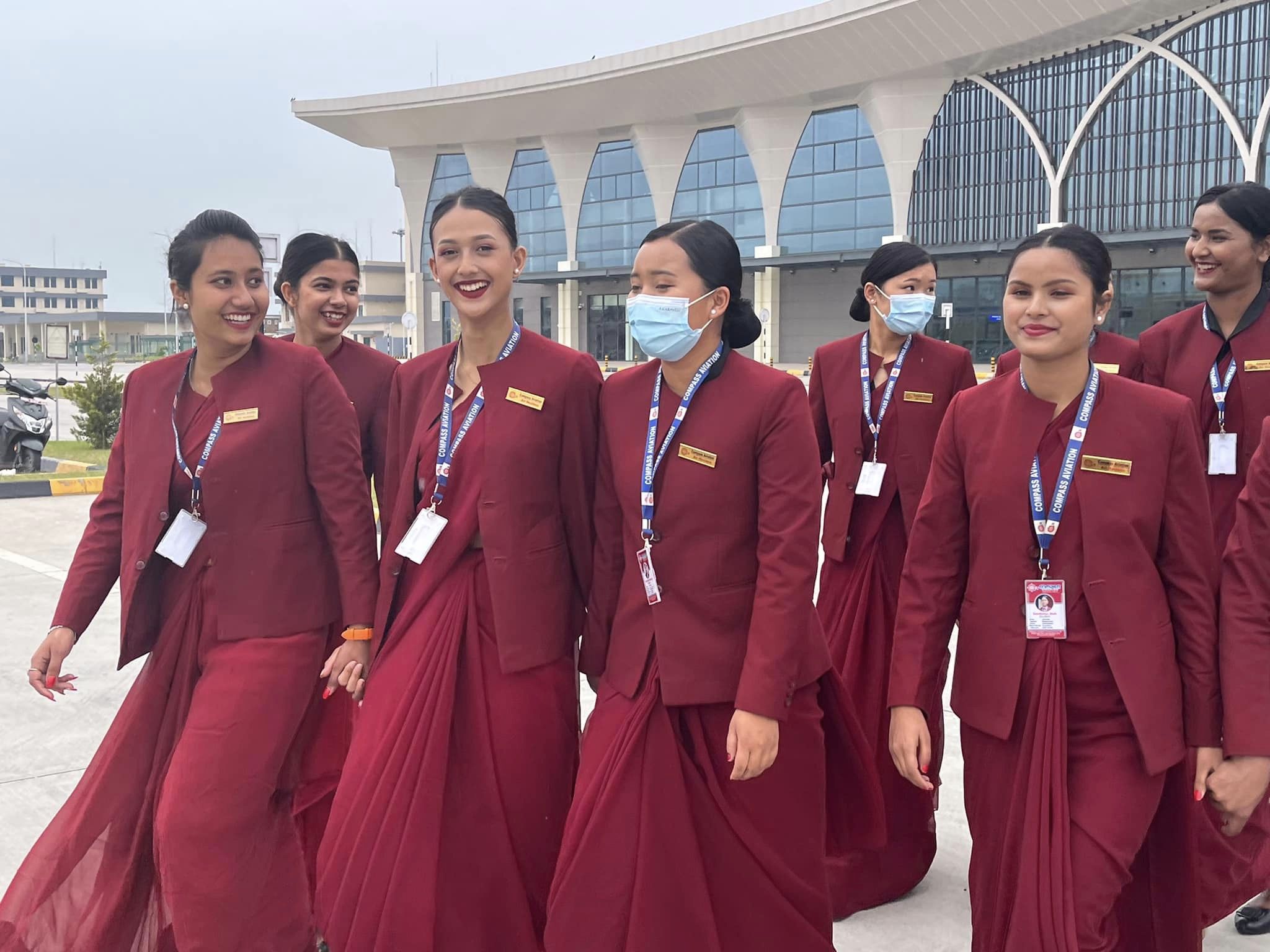
As representatives of the airline, air hostesses are expected to maintain a professional appearance at all times. This includes adhering to grooming standards set by the airline, such as wearing the uniform correctly, styling hair neatly, and applying minimal makeup. A well-groomed appearance helps air hostesses project confidence and professionalism to passengers.
Adaptability and Flexibility:
The aviation industry is dynamic and unpredictable, requiring air hostesses to adapt to changing circumstances quickly. Whether it’s dealing with flight delays, weather disruptions, or last-minute changes, air hostesses must remain flexible and adaptable to ensure that passengers’ needs are met and that flights run smoothly.
Conclusion:
Becoming an air hostess requires more than just a friendly smile and a welcoming attitude. It demands a diverse skill set encompassing communication, customer service, problem-solving, and safety awareness. By mastering these essential skills during their training, aspiring air hostesses can embark on a rewarding career in aviation, where they play a vital role in creating memorable experiences for passengers around the world.