
Introduction
The aviation industry boasts a vast array of aircraft types, each meticulously designed to serve specific needs and functions. From the graceful hot air balloon to the sophisticated military fighter jet, understanding the diversity within this field is crucial to appreciating the breadth of possibilities available.
Aerodynes: Heavier-than-Air Aircraft
Aerodynes, or heavier-than-air aircraft, rely on aerodynamic lift to remain airborne. This category encompasses various aircraft types, each with its own distinct role and capabilities.
Commercial Airliners
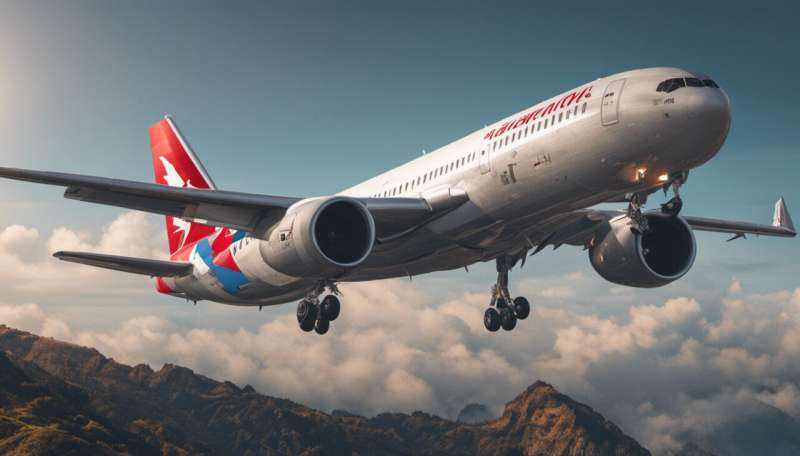
Commercial airliners represent the epitome of modern air travel, catering to the needs of passengers worldwide. These large, passenger-carrying aircraft are engineered for long-distance flights, offering comfort, efficiency, and speed to air travelers. Popular models include the Airbus A320-200. © Alexander Balykin. 9N-AKW. 6445. Nepal Airlines. Airbus A320-233
Military Jets
Military jets are cutting-edge aircraft designed for combat and reconnaissance missions. These high-performance machines boast advanced avionics systems, powerful engines, and formidable weaponry, enabling them to operate in the most challenging environments. Notable examples include the F-16 Fighting Falcon, F-22 Raptor, and F-35 Lightning II.
Helicopters
Helicopters, or rotary-wing aircraft, are renowned for their versatility and maneuverability. Capable of vertical takeoff and landing, helicopters serve a myriad of roles, including search and rescue, medical evacuation, and transportation to remote areas. Popular models include the Bell 206, Sikorsky UH-60 Black Hawk, and Eurocopter AS350.
Cargo Planes
Cargo planes play a vital role in global logistics, transporting goods and freight across vast distances. These specialized aircraft feature spacious cargo holds and robust construction, making them ideal for carrying heavy loads. Key examples include the Boeing 747-8F, Airbus A330-200F, and Antonov An-225 Mriya.
Aerostats: Lighter-than-Air Aircraft
Aerostats, or lighter-than-air aircraft, rely on buoyant gases or hot air for lift and propulsion. This category includes balloons, airships, and tethered aerostats, each serving unique purposes in the aviation realm.
Balloons
Balloons are iconic symbols of aviation, offering serene and captivating experiences in the sky. Whether used for leisurely sightseeing or competitive racing, balloons provide passengers with a unique perspective of the world below. Notable examples include the Cameron Balloons Z-90, Aerostar S-60A, and Lindstrand LBL-315A.
Airships
Airships, or dirigibles, are majestic aircraft that harness the power of buoyant gases for lift. These large, rigid structures are utilized for advertising, research, and transportation, offering spacious cabins and stable flight characteristics. Well-known examples include the Goodyear Blimp, Zeppelin NT, and Skyship 600.
Tethered Aerostats
Tethered aerostats serve as specialized aircraft anchored to the ground with sturdy cables or tethers. They offer stability and endurance for extended operations, making them versatile platforms utilized for surveillance, communications, and scientific research. Notable features include their ability to transport various payloads, including cameras, sensors, and communication equipment.
Emerging Technologies and Future Trends
As technology continues to advance, the aviation industry is witnessing the emergence of new aircraft concepts and technologies. Electric aircraft, vertical takeoff and landing (VTOL) vehicles, and unmanned aerial vehicles (UAVs) are among the innovations shaping the future of air travel.
Conclusion
The diverse range of aircraft types and their applications underscores the dynamic nature of the aviation industry. Whether for commercial, military, or recreational purposes, each aircraft plays a vital role in shaping the future of aviation in Nepal and beyond.