
Introduction
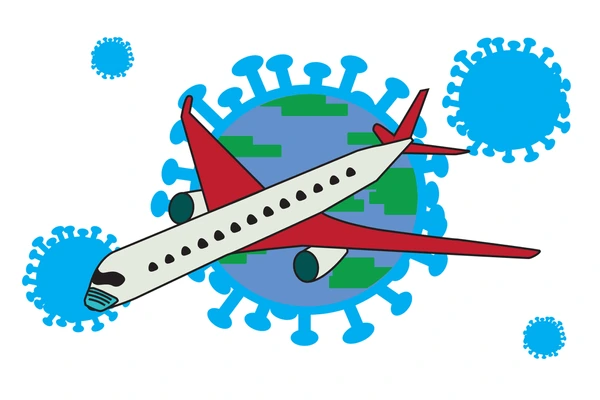
The COVID-19 pandemic has brought unprecedented challenges to the aviation industry worldwide, including in Nepal. The impact of the pandemic on aviation in Nepal has been profound, leading to disruptions in air travel, significant economic downturns, and widespread uncertainty.
Immediate Effects
Governments around the world implemented strict immigration controls, closed borders, and imposed stay-at-home orders to combat the spread of the virus. These measures had an immediate and severe impact on the aviation industry, leading to the suspension of flights and the halting of schedules indefinitely.
Sector-wide Disruptions
The pandemic affected all segments of the aviation industry, including passenger and cargo airlines, aircraft manufacturers, airports, and service providers. With travel restrictions in place, passenger airlines experienced significant declines in demand, while cargo airlines saw increased demand for essential goods transport.
Economic Downturn
The decline in commercial aviation paralleled a downturn in tourism, trade, travel, and connectivity. International tourism receipts plummeted, and global merchandise trade volume fell sharply, exacerbating the economic crisis.
Forecasts and Projections
Aviation bodies forecasted substantial reductions in air passengers, airport revenues, and revenue passenger kilometers (RPKs) for 2020 compared to previous years. The International Air Transport Association (IATA) predicted historic losses for airlines, with millions of jobs at risk across the sector.
Impact on Nepal
Nepal, heavily reliant on air transport for connectivity and tourism, felt the repercussions of the global aviation crisis. Financial challenges faced by Nepal Airlines Corporation and other airlines, coupled with investments in airport infrastructure, posed additional risks to the country’s aviation sector.
Government Response and Support
Governments worldwide introduced measures to support the aviation industry, including financial aid, tax relief, and wage subsidies. In Nepal, the government provided waivers on various fees for airlines, but further support may be necessary for long-term recovery.
Conclusion
In conclusion, while the impact of the pandemic on aviation in Nepal has been significant, the collective efforts of stakeholders and strategic measures taken have paved the way for recovery. As the aviation industry navigates the post-pandemic landscape, uncertainties remain regarding operational modalities and restoring air transport connectivity. International cooperation, government support, and concrete recovery plans will be crucial for sustaining and revitalizing the Nepali aviation sector.